



At The Lab, we’re particularly interested in how clothing's environmental impact continues to unfold in wardrobes, laundries, repair studios, and daily routines. How often it is worn, how it is washed, how it is stored, how long it is loved — these factors shape its footprint over time.
Life cycle assessments consistently show that the “use phase” — washing, drying, ironing, storing, repairing, and eventually discarding — can account for a substantial share of a garment’s total footprint. Energy-intensive laundering and frequent hot washes accelerate fibre breakdown and microfibre shedding while shortening lifespan.
As outlined by Fabric of Change in its overview of the “use phase,”a garment’s impact across wearing, washing, drying and ironing can represent a significant share of its total environmental footprint over time. Their review emphasises that how we care for clothing — particularly how often we launder it and how long we keep it in active use — meaningfully shapes its overall impact. Extending a garment’s lifespan and reducing intensive care practices lowers its per-wear footprint, demonstrating that sustainability is a behavioural act.
Habits are shaped by cues, friction, and reward. If the default cue after a single wear is “wash,” over-laundering, or if repair feels complicated or socially undesirable, replacement becomes the rational choice. If care products degrade fibres, deterioration becomes inevitable.


Sustainable fashion, viewed through this lens, is really about better systems. It asks brands to make longevity the easiest choice, and it asks consumers and wearers to take responsibility for what they own. In a culture of disposability, we’ve forgotten or lost this deeper sense of care. Maintenance has come to feel inconvenient, and replacement has become normal. Clothing is often treated as temporary — easy to swap out rather than worth looking after.
Care has been reduced to quick fixes and generic solutions, instead of being seen as a simple, ongoing practice that keeps garments in circulation for longer. If sustainability is going to work, it can’t stop at better fabrics or better marketing. It has to show up in everyday habits; how we clean, protect, store, and repair what we wear. Longevity isn’t complicated. It’s built through small, consistent acts of care.


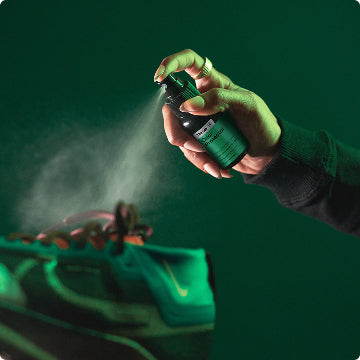
One of the most impactful interventions available is simply reducing unnecessary washing. Many garments — denim, knitwear, tailoring, outerwear — do not require laundering after every wear. Spot cleaning, airing, brushing, and steaming can significantly extend intervals between washes. Yet culturally, cleanliness has been equated with frequency, and convenience technologies have normalised over-care. Care systems that enable precision cleaning — targeting organic residues without subjecting fibres to excessive heat and agitation — allow garments to be refreshed rather than aggressively laundered. This is where our ecosystem of fashion care products intervenes.
At The Lab, we design for this next chapter of the lifecycle — the science of care that takes place in your home, by you. Our biological cleaning systems empower you to build sustainable fashion practices; with our lower-impact probiotically-enriched, performance formulas, and smarter maintenance practices, you can extend wear frequency, reduce resource use, and preserve material integrity over time.
Life cycle thinking makes this clear in simple terms: what happens after you buy a garment really matters. Washing, drying and ironing all use energy and water, and the more often we do them, the larger a piece’s footprint becomes. On the other hand, wearing something more often, washing it thoughtfully, and keeping it in good condition spreads its impact over a longer life. Sustainability continues in the everyday habits that follow.

In our experience, people care for what they feel connected to. They repair what holds memory, and they store carefully what feels meaningful. When garments are designed purely for trend cycles, emotional expiry is built in. When they are designed with narrative depth, material integrity and an understanding of how they will age, attachment grows stronger over time.
Material and supply-chain innovation in fashion remains essential; regenerative agriculture, lower-impact dyes, and next-generation fibres are vital parts of fashion’s transition. But materials alone cannot shift a system driven by constant replacement. Real change takes root in repetition; it builds through habits and rituals — the consistent acts that extend the life of what we already own.
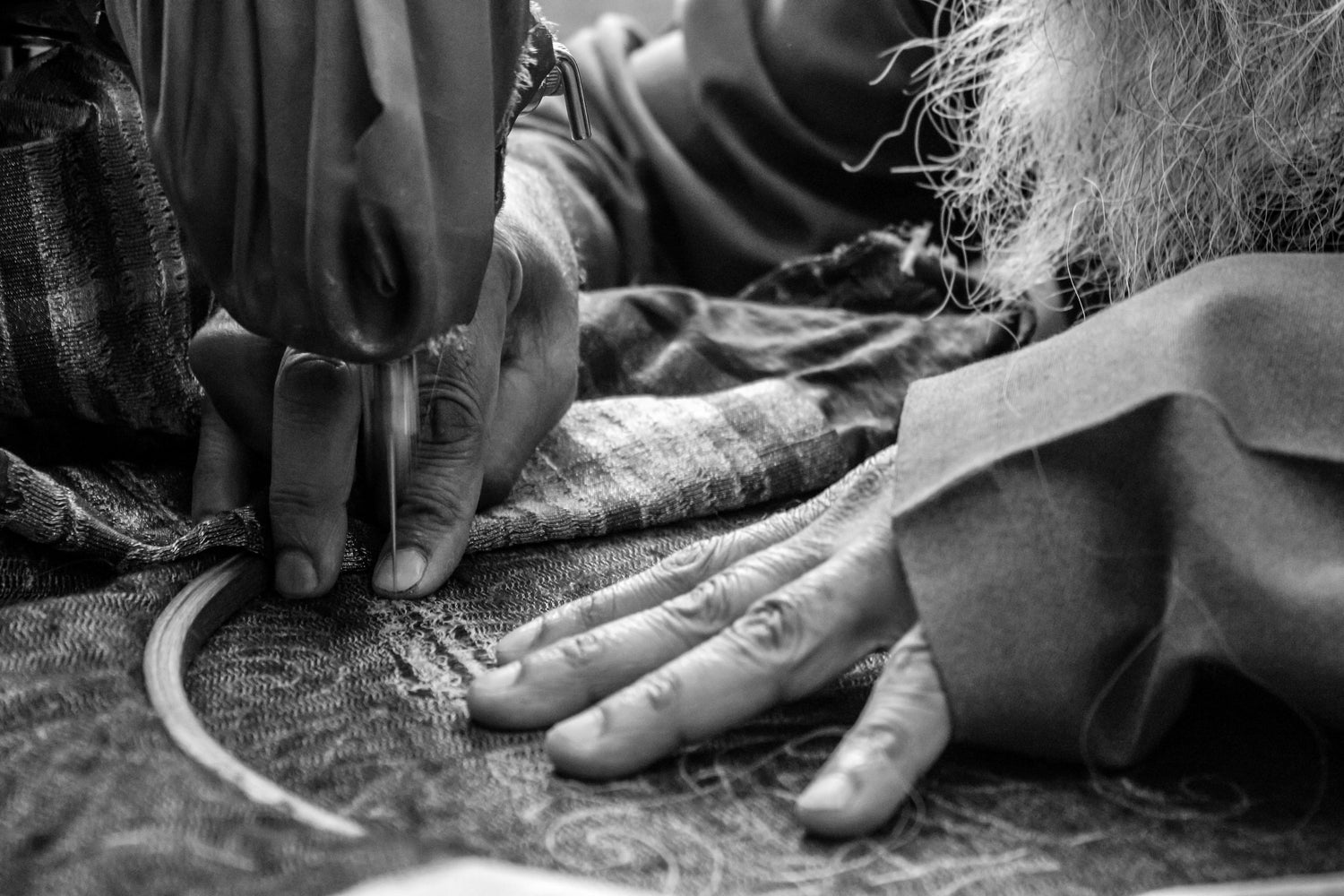
That includes the ritual of care: using products like ours that encourage mindful cleaning rather than harsh stripping, protection rather than replacement. It includes re-wearing more often, airing garments instead of over-washing, mending small tears before they widen, folding with intention, and choosing to keep rather than discard.


The future of sustainable fashion must be shaped in bathrooms, bedrooms, laundries, wardrobes, and on washing lines. It will be shaped by your practices, which we believe is one of the most underestimated sustainability levers we have in building a fashion future worth preserving.
